Sub-Total: $0
Empowering Lifesavers: Your Guide to CPR, Safety, and Beyond
Knowing how to react in a medical emergency is an invaluable skill that can make the difference between life and death. Cardiopulmonary resuscitation (CPR) is a foundational element of emergency preparedness, offering a critical bridge until professional medical help arrives. This blog will delve into the world of CPR training, highlight recent advancements, and underscore why this essential skill is for everyone.
The Power of Bystander CPR
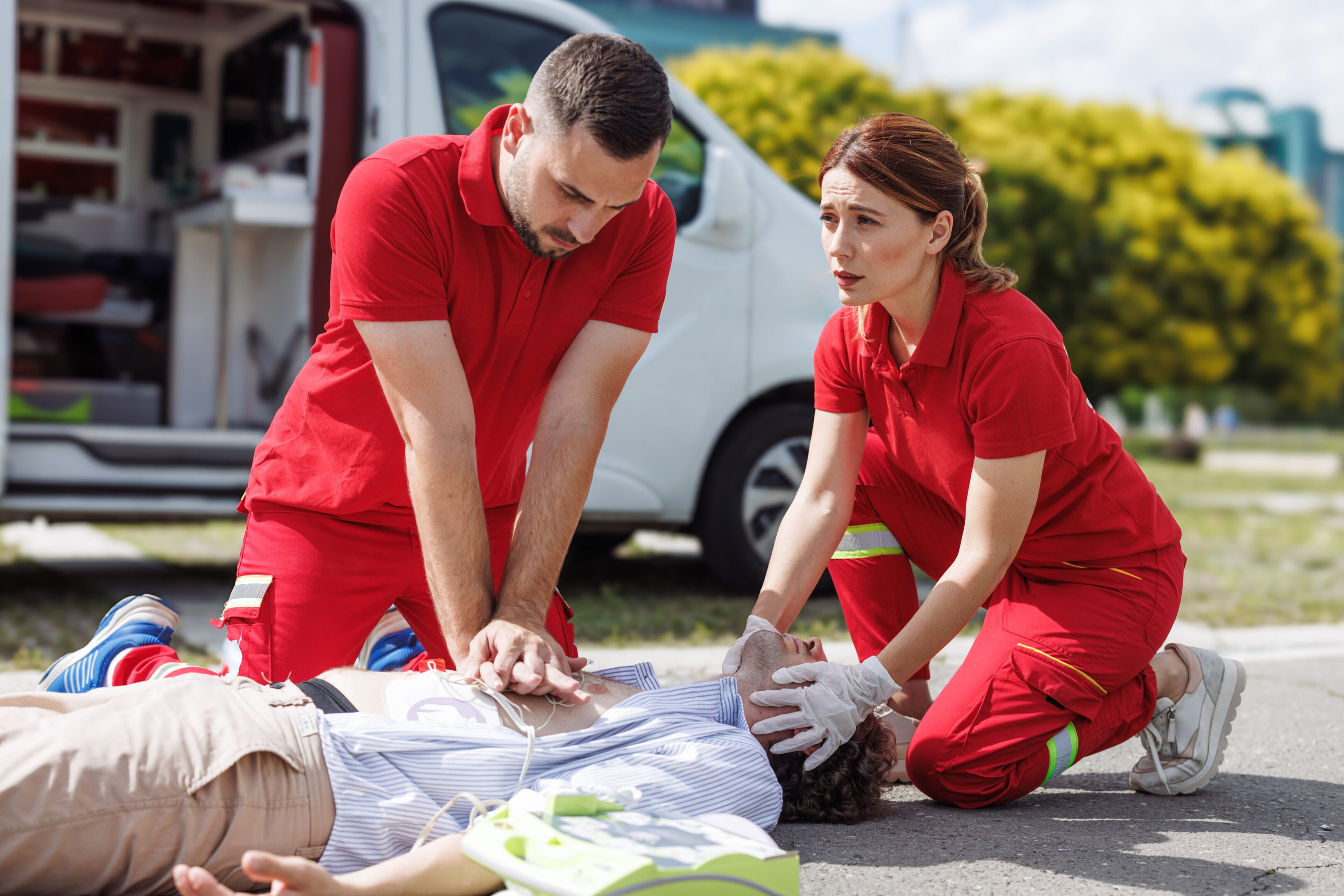
When someone experiences sudden cardiac arrest, immediate action is paramount. Bystander CPR training significantly increases the chances of survival, sometimes even doubling or tripling them. This immediate intervention keeps oxygenated blood flowing to the brain and other vital organs.
Every minute without CPR decreases the chance of survival. This emphasizes why widespread CPR knowledge within communities is so crucial. You could be the vital link in the chain of survival for a loved one, a colleague, or even a stranger.
What is Basic Life Support (BLS)?
Basic Life Support classes are the cornerstone of emergency medical training. These courses focus on immediate life-threatening conditions, including cardiac arrest, choking, and respiratory arrest. They provide comprehensive skills applicable in various settings.
BLS goes beyond just chest compressions; it encompasses recognizing emergencies, activating the emergency response system, and performing high-quality CPR for adults, children, and infants. It also covers the proper use of an automated external defibrillator (AED).
The Value of CPR Certification
Obtaining CPR certification validates your readiness and competence to perform these life-saving techniques. It provides peace of mind, knowing you possess the skills to respond effectively in a crisis. This certification typically lasts for two years.
Regular refreshers are highly recommended to keep your skills sharp and up-to-date with the latest guidelines. Even medical professionals benefit from consistent practice to maintain their proficiency and confidence in high-pressure situations.
Why Regular Refreshers Matter
CPR guidelines and techniques are continuously refined based on scientific research and medical advancements. Regular refresher courses ensure your knowledge aligns with the most current best practices. This keeps your skills effective.
Without periodic practice, skill retention can decline significantly over time. Refreshers rebuild your confidence, reduce hesitation, and reinforce the muscle memory needed to perform CPR correctly and efficiently when it counts.
Advancements in CPR Technology
The field of emergency medicine is constantly evolving, with technology playing an increasingly significant role in enhancing CPR. Innovations aim to improve training, delivery, and outcomes. These advancements make learning more engaging and effective.
Some notable advancements include:
- Wearable devices provide real-time feedback on compression depth and rate, helping users refine their technique.
- Virtual reality (VR) offers immersive training scenarios, allowing learners to practice in realistic virtual environments without real-world risks.
- AI-powered training platforms are emerging, offering personalized feedback and adaptive learning experiences.
- Mobile applications are also facilitating dispatcher-assisted CPR and helping to locate nearby AEDs, closing critical time gaps.
These tools aim to democratize access to quality training and improve overall response efficacy.
Debunking Common CPR Myths
Many misconceptions about CPR can deter individuals from learning or acting. One common myth is that CPR always requires mouth-to-mouth resuscitation. While rescue breaths are important in some scenarios (like drowning), hands-only CPR is often recommended for adults in sudden cardiac arrest.
Another myth suggests that CPR is difficult to perform or always results in broken ribs. While proper force is needed for effective compressions, the steps are straightforward with proper training. Any injury is far less significant than the alternative of no intervention.
It’s also a misconception that CPR always works. While CPR dramatically increases survival chances, it is not a guaranteed cure. However, performing CPR ensures the person has the best possible chance of survival and minimizes potential brain damage.
Finally, some believe CPR certification lasts a lifetime. This is false; guidelines are updated regularly, and certifications typically require renewal every two years to ensure skills remain current and effective. Staying updated is crucial for optimal response.
Benefits for Everyone, Not Just Professionals
The benefits of CPR training extend far beyond healthcare professionals. Parents, teachers, caregivers, and local business employees can all significantly impact safety within their respective environments. Cardiac arrests often occur in homes or public places, meaning a bystander is frequently the first responder.
Having CPR-trained individuals within a household or workplace creates a safer environment for everyone. It empowers individuals to act decisively and confidently during emergencies, potentially saving the life of a loved one or colleague. This proactive approach to safety fosters a more resilient community.
Latest News: Drowning Guidelines Update
Recent updates to CPR guidelines, particularly concerning drowning incidents, highlight the dynamic nature of emergency protocols. The American Heart Association (AHA) has released updated guidelines emphasizing specific approaches for resuscitation following drowning. This ensures rescuers are equipped with the most effective techniques.
Key updates include:
- CPR with rescue breaths should be started before AED application in cardiac arrest following drowning.
- If available, trained rescuers should provide supplemental oxygen to persons with cardiac arrest following drowning.
- Initiation of CPR should not be delayed to obtain or apply an AED in cardiac arrest following drowning.
These focused updates underscore the importance of staying current with your CPR training.
Understanding the CPR Chain of Survival
The ‘Chain of Survival’ illustrates the critical steps needed to improve outcomes for cardiac arrest victims. It begins with early recognition and activation of the emergency response system. Prompt, high-quality CPR is the second vital link.
Early defibrillation with an AED is the third crucial step, followed by effective advanced resuscitation by EMS, and, finally, post-cardiac arrest care. Each link is interdependent, and timely action at every stage significantly boosts survival rates. Your role in the early links is paramount.
Your Role in Emergency Preparedness
Every individual has the potential to be a lifesaver. Taking a Basic Life Support class or any CPR training prepares you to be that person when an emergency strikes. It’s an investment in your skills and the safety of your community.
Whether you’re looking to meet professional requirements or simply want to be prepared for life’s unexpected moments, becoming CPR certified is a powerful step. The confidence and knowledge gained are invaluable assets.
Beyond the Classroom: Practice Makes Perfect
Initial CPR certification is a fantastic start, but consistent practice is key to maintaining proficiency. Many organizations offer refresher courses or skill sessions where you can practice on manikins and receive feedback. These opportunities solidify your techniques.
Consider:
- Reviewing online resources.
- Practicing chest compressions to music that maintains the correct tempo.
- Regularly visualizing emergency scenarios helps prepare you mentally to react calmly and effectively under pressure.
Learn with Breath & Beyond
At Breath & Beyond Educational Services, LLC, we are committed to empowering individuals and organizations with vital CPR training and CPR certification. We offer Basic Life Support (BLS) and Heartsaver for adults and children, delivered with a competent yet playful approach. Our local services extend within four hours of Milton, Florida, covering Milton, Pace, and Pensacola, serving healthcare professionals, parents, teachers, and local businesses. To learn more about our courses and how we can help you become a lifesaver, contact us today.